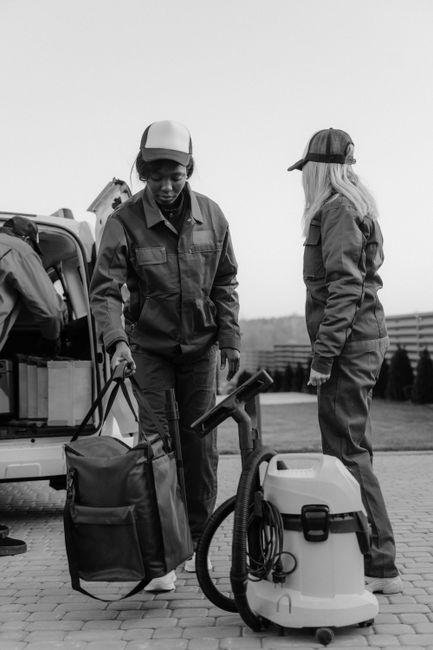
Van Load Planning Secrets Used by Professional Movers
Loading a van looks simple from the outside. Boxes go in, furniture follows, and off you drive. But anyone who has stood at the back of a removal van on a wet British morning knows the truth: good loading is the difference between a smooth move and a long, frustrating day.
Van load planning secrets used by professional movers are really about one thing: making space work harder. Professionals think about weight, access, safety, route order, and fragility before the first item even leaves the property. That careful planning protects belongings, speeds up unloading, and avoids the dreaded game of "where did we put the kettle?" at the end of the day.
This guide breaks down how experienced movers plan a van load, why it matters, and how you can use the same thinking for a home move, office move, or smaller transport job. If you are comparing options for man and van services, arranging home moves, or booking a larger vehicle through removal truck hire, the principles are the same. Get the load plan right, and everything else becomes calmer. Much calmer, in fact.
Table of Contents
- Why van load planning matters
- How professional load planning works
- Key benefits and practical advantages
- Who this is for and when it makes sense
- Step-by-step guidance
- Expert tips for better results
- Common mistakes to avoid
- Tools, resources and recommendations
- Law, compliance, standards, and best practice
- Options and comparison table
- Case study or real-world example
- Practical checklist
- Conclusion
- Frequently asked questions
Why Van Load Planning Secrets Used by Professional Movers Matters
Professional loading is not just about fitting everything in. It affects the whole move. A poor load can shift in transit, scratch furniture, crush boxes, block access to essentials, or create a domino effect when one badly placed item has to be removed to reach another. The result? More time, more handling, and more risk.
Load planning also changes how a move feels. If the most important items are loaded last and unloaded first, the new place can become usable much sooner. If they are buried at the front behind a wardrobe and three awkward boxes, you may spend your first evening hunting for bedding and chargers. Nobody wants that, especially after a long day of stair-climbing, traffic, and tea gone cold on the dashboard.
For movers, the job is partly physical and partly logistical. They are solving a three-dimensional puzzle with breakables, weight limits, narrow hallways, and time pressure. That is why professional movers often look almost overly methodical. They are not being fussy. They are preventing damage before it starts.
Expert summary: Good van loading is not "pack it tight and hope." It is planned stacking, balanced weight distribution, clear access to priority items, and enough restraint to leave space where the load needs to breathe.
This matters whether you are moving a studio flat, a family home, or a small office. It matters when you hire a man with van for a quick collection, or a larger moving truck for a fuller relocation. Different scale, same logic.
How Van Load Planning Secrets Used by Professional Movers Works
At its core, van load planning follows a sequence. Professionals assess the load, split it into categories, decide the order, and then place each item according to weight, fragility, and delivery priority. Sounds simple. It is not always simple, but it is learnable.
1. They start with the inventory, not the van
Experienced movers usually walk through the property first. They note bulky items, fragile items, awkward shapes, anything heavy, and anything needed immediately on arrival. In practice, that means identifying beds, wardrobes, sofas, white goods, office chairs, monitors, lamps, mirrors, and those oddly heavy boxes that seem to contain nothing but books and regret.
Inventory is not just a list. It is a loading map. A good mover knows which items can be stacked, which need side support, and which should never sit under pressure.
2. They decide the load order before lifting
The heaviest and most stable items normally go in first, close to the bulkhead or front of the van, depending on the vehicle layout. Sofas, mattresses, appliances, and flat-packed furniture often form the base of the load. Lighter boxes, soft items, and fragile pieces sit above or around them, secured so they cannot slide.
That order matters because the van needs to behave like a single stable unit on the road. If the load is lopsided, the vehicle can feel awkward to drive and the contents can move during braking or cornering. Even a short trip across town can become messy if the stack is poor.
3. They separate by zone
Professional movers often think in zones:
- Heavy zone: base layer items that anchor the load.
- Medium zone: boxed items, chairs, small furniture, and durable household goods.
- Fragile zone: glass, mirrors, electronics, artwork, and delicate decor.
- Access zone: the items needed first at delivery, such as a toolkit, kettle, bedding, or essential office equipment.
This zoned approach is one of the quieter secrets of efficient moves. It reduces searching, protects delicate items, and makes unloading feel strangely satisfying. Like opening a well-organised drawer, but on wheels.
4. They use voids intelligently
Empty spaces are not wasted spaces. Professionals fill gaps with soft items, wrapped cushions, rolled rugs, or bedding to stop movement. They do not jam every centimetre with hard objects. That can create pressure points, especially on corners and vulnerable edges.
A small void can be useful if it prevents a fragile item from being crushed. A tightly packed load is not automatically a safe load. That is one of those things people learn the hard way, usually after a picture frame takes a knock or a box collapses under the wrong chair leg.
5. They secure the load as they go
Straps, blankets, and padding all help. But the real trick is not waiting until the van is full to think about restraint. Professionals secure sections during loading, not only at the end. They check the stack at intervals, especially after moving a bulky piece that changes the balance of the whole space.
That way, if the van has to stop suddenly, the load has some resistance built in already. It is a small habit, but a valuable one.
Key Benefits and Practical Advantages
There are obvious benefits, and then there are the ones people only notice once the move is underway. Both matter.
- Less damage: Items are less likely to knock into each other or fall during transit.
- Faster loading and unloading: A planned sequence removes guesswork.
- Better use of space: The van carries more without turning into a chaotic pile.
- Lower stress: Everyone knows what goes where, which makes the day feel more controlled.
- Cleaner handover: Priority items come out first, so the new property becomes usable sooner.
- Improved safety: Proper balance and restraint reduce awkward lifting and sudden shifts.
For business moves, the benefits can be even sharper. Equipment, files, and workstations often need to arrive in a usable order. If you are managing an office relocation or dealing with commercial moves, an organised load can shorten downtime. That is not a small thing when staff are waiting, clients are calling, and someone is asking where the printer cable is. Again.
There is also a quiet cost benefit. Poor loading often leads to extra trips, more time on site, and avoidable handling. Better planning does not magically make moves effortless, but it does remove a lot of the waste.
Who This Is For and When It Makes Sense
Van load planning is useful for almost anyone moving anything larger than a suitcase. But it is especially valuable in a few situations.
Home movers
If you are moving from a flat, terrace, or family home, load planning helps you keep the day moving. It is particularly important when access is tight, parking is awkward, or the property has stairs. In UK streets where space is limited and double parking is not exactly a relaxing sport, a clear plan saves time.
Families also benefit because essentials can be loaded last and unloaded first. That means beds, children's items, kitchen basics, and chargers are not buried under a mountain of boxes.
Small business owners
For shops, studios, and office teams, timing matters. A good load plan helps keep documents, devices, and fixtures in a sensible order. If you are moving stock or equipment and want a more flexible setup, a moving truck or a booked vehicle for truck hire can be coordinated around that plan.
People collecting bulky items
Sometimes the job is not a full move at all. It might be a sofa pickup, a bed collection, or moving a single item between properties. In those cases, load planning stops the item from arriving scuffed, bent, or wedged against something else. For one-off collections, this is where services like furniture pick up can be a very sensible fit.
Anyone with fragile or high-value items
Artwork, mirrors, musical instruments, antiques, glass tables, and electronics deserve careful placement. The more delicate the item, the more important the loading sequence becomes. You do not want a flat-screen television treated like a cushion. Obvious, yes. Still worth saying.
Step-by-Step Guidance
Here is the practical version. Not theory. Actual loading logic you can use.
- Measure the van and the larger items. Check heights, widths, and the size of awkward furniture before loading. Guessing is how people end up with a wardrobe that "just needs a bit of persuasion."
- Sort everything before it reaches the van. Group boxes by room, fragility, and priority. Keep essentials separate from everything else.
- Create a priority pile. Place items you will need first at the destination where they can be reached easily.
- Load the heaviest items first. Build a stable base with the most solid furniture and appliances.
- Keep weight low and balanced. Avoid stacking all the weight on one side. If something feels off, it probably is.
- Use blankets, wraps, and padding. Protect edges, glass, and polished surfaces.
- Fill gaps with soft items. Bedding, cushions, and folded textiles can stop movement without applying harsh pressure.
- Secure the middle of the load. Do not leave the centre unsupported if you can avoid it.
- Check after each major item. A quick pause can save a lot of trouble later.
- Plan the unload in reverse. The last items in should usually be the first items out. That simple rule is golden.
If you are using packing and unpacking services, this process becomes easier because the labels, room grouping, and wrap methods can be matched to the load plan. It is a small bit of coordination that pays off more than people expect.
Expert Tips for Better Results
These are the little things professionals tend to do without making a fuss about them.
Label by room and by urgency
Room labels are good. Urgency labels are better. A box can belong to the kitchen but still need to be opened before everything else. Marking essentials separately saves time at delivery.
Use the van like a puzzle, not a bin
Professionals look for clean edges. They place square items flush against straight surfaces, then use softer items to support the odd shapes. The aim is fit, but also stability. It is a bit like building with blocks and cushions at the same time.
Keep a "do not bury" category
This is especially useful for keys, documents, chargers, medications, basic tools, and cleaning supplies. If one of those gets buried, the whole first evening becomes more annoying than it needs to be.
Load for the road you are actually driving
A short journey through town may still involve roundabouts, speed bumps, and sudden stops. A load that is fine on a straight test drive can still shift in real traffic. So load as if the van will need to brake, turn, and settle several times. Because it probably will.
Think about unloading space as well as loading space
If the front door is narrow, the staircase is tight, or the lift is small, the unload needs a plan too. Put the most awkward-to-move items in a place that suits the destination layout, not just the van layout.
Don't overfill for the sake of pride
Truth be told, some people try to squeeze in "just one more box" because they want to make one trip work at all costs. That can backfire. A neat, safe load is better than a heroic but dangerous one.
And yes, if the kettle is packed in the wrong place, no one is impressed by your efficiency.
Common Mistakes to Avoid
Most loading problems come from a handful of familiar errors. They are common because they feel harmless at the time.
- Loading randomly: Filling empty space without a strategy makes unloading messy and slow.
- Mixing fragile and heavy items: Boxes with glass should not sit under hard furniture legs.
- Ignoring weight balance: One-sided loads can shift and make the van harder to handle.
- Forgetting the first-night essentials: If you need it quickly, it should be easy to reach.
- Using too little protection: Bare edges and unwrapped surfaces are asking for scuffs.
- Stacking too high: Height is useful, but only when the stack remains stable.
- Not checking straps or barriers: A good load still needs restraint.
- Leaving awkward gaps: Gaps can turn into movement if not filled properly.
One of the biggest mistakes is assuming that "packed tightly" means "packed well." It does not. There is a difference, and movers know it immediately when they see the load. The good ones can spot trouble in seconds.
Tools, Resources and Recommendations
You do not need specialist equipment to improve your loading, but a few basics help enormously.
- Furniture blankets: Protect wood, upholstery, and edges from scratches.
- Ratchet straps or load straps: Help keep larger items fixed in place.
- Stretch wrap: Useful for drawers, bundles, and awkward surfaces.
- Labels and markers: Keep rooms and priority boxes clear.
- Hand trolleys or sack trucks: Reduce strain on heavier lifts.
- Measuring tape: A simple way to avoid size surprises.
- Gloves and sturdy footwear: Small things, but they matter when the day gets busy.
For larger or more complicated jobs, a professional service can be worth it because the right vehicle and packing support make load planning far easier. If you are comparing options, it can help to look at pricing and quotes alongside the vehicle size and the support included. Cheapest and best are not always the same thing. Unfortunately, life is rude like that.
If sustainability matters to you, it is also sensible to think about reusable packing materials and end-of-life disposal. A move is a good moment to reduce waste and clear out the things you no longer need. The page on recycling and sustainability is a useful starting point if you want to make the move cleaner as well as smoother.
Law, Compliance, Standards, and Best Practice
Load planning is mostly about practical safety and care, but there are still important standards and duties in the background. In the UK, moving goods safely is part of a wider responsibility to handle property with reasonable care and to protect people from avoidable harm.
That means movers should think about safe lifting, trip hazards, secure loads, suitable vehicles, and proper handling of heavy or awkward items. For customers, it means choosing a provider that is transparent about safety, insurance, and how belongings are managed during transit. If you want to check how a company approaches these areas, pages such as health and safety policy and insurance and safety are sensible places to review.
Professional best practice usually includes:
- clear communication before collection
- careful handling of fragile items
- reasonable load security for transit
- safe lifting techniques
- appropriate vehicle capacity
- honest expectations about timing and access
If the job involves business premises, there may also be building access rules, lift booking windows, or site-specific procedures to follow. That is especially common in offices and managed properties. Nothing glamorous there, just the realities of a move done properly.
It is also wise to check service terms before booking, especially if you are moving valuable or unusual items. A careful read of terms and conditions can prevent surprises later. Boring? Slightly. Useful? Absolutely.
Options, Methods, or Comparison Table
Different moves need different loading approaches. Here is a simple comparison that shows how the method changes by job type.
| Move type | Best load strategy | Main risk if done badly | Practical note |
|---|---|---|---|
| Small flat move | Stack by room, keep essentials near the end of the load | First-night items buried under bulkier furniture | Good for compact vans and short city trips |
| Family home move | Zone by room, protect fragile items separately, balance weight evenly | Mixed boxes and fragile breakage | Usually benefits from more time and a larger vehicle |
| Office relocation | Keep equipment, cables, and documents in a clear sequence | Downtime and missing equipment | Labelling matters more than usual |
| Single-item collection | Protect the item with blankets and pad the voids around it | Scuffs, bends, or corner damage | Simple, but still worth planning |
Choosing between vehicle types matters too. A compact van can work brilliantly for a modest job, but if the load is awkward, heavy, or multi-room, a larger vehicle can be the safer option. That is where a service like man with van versus a larger truck arrangement may make more sense. The right fit is about the load, not just the headline size.
Case Study or Real-World Example
Picture a typical Friday afternoon move from a two-bedroom flat. There is a sofa, a mattress, a dining table, six labelled boxes, two lamps, a mirror, a kettle, and a bag of loose items that somehow appeared at the last minute. Very normal. Also very easy to load badly.
A professional approach would usually start with the sofa and mattress as the base. The table legs are wrapped and placed where they can support weight without twisting. Boxes from the same room are grouped together. The mirror goes in an upright protected section rather than flat under a pile. The kettle and basic kitchen box are kept near the back so they can come out first.
By the time the van is full, the load is dense but calm-looking. No wobbling boxes. No suspicious gap in the middle. No fragile item hiding under a chair. When the van reaches the new place, the unload is fast because the order was planned the right way round.
Now imagine the same move with no load plan. The sofa goes in halfway through, the mirror gets tucked beside a box of books, and the kettle ends up at the very front. Unloading takes longer, someone mutters under their breath, and a box gets opened too early just to find one charger. It happens. More often than people admit.
That is the real secret: good loading does not just protect things. It protects the mood of the move.
Practical Checklist
Use this quick checklist before the van leaves.
- Inventory complete and sorted by room
- Fragile items wrapped and clearly marked
- Heavy items loaded first
- Weight spread evenly across the vehicle
- Priority items kept accessible
- Voids filled with soft, protective materials
- Straps and blankets used where needed
- Nothing loose that could shift in transit
- Access route at destination considered
- First-night essentials identified
- Vehicle size appropriate for the load
- Safety gear and lifting help available
If you are organising a move and want support with the packing side as well, it can be worth looking at how the service is structured before you decide. For some customers, a combined plan with packing, loading, and transport is simply the easiest route. For others, a lighter service is enough. Either way, planning first saves headaches.
Conclusion
Van loading looks like a straightforward task until you have to do it under time pressure, with a sofa that does not quite fit and a box of breakables that really, really should not get squashed. That is why professional movers rely on planning, not luck.
The main secrets are not mysterious. They are practical: sort by priority, load by weight, protect fragile items, balance the vehicle, and keep the unload in mind from the start. Once you see the logic, it feels obvious. Before that, it feels like magic. A bit of moving-day magic, anyway.
If you are arranging a home move, commercial relocation, or a one-off collection, taking the time to plan the load will make the whole process smoother, safer, and far less stressful. And honestly, that calm finish is worth a lot.
Get a free quote today and see how much you can save.
When the boxes are gone and the van door closes, the best moves leave you not just with your things intact, but with your energy still in one piece too.
Frequently Asked Questions
What is van load planning in removals?
Van load planning is the process of deciding what goes into the vehicle, in what order, and where each item should sit so the load is safe, stable, and easy to unload.
Why do professional movers spend so long planning the load?
Because a careful plan reduces damage, saves time, and makes unloading much easier. A few minutes of planning can prevent a lot of awkward lifting later.
Should heavy items always go in first?
Usually, yes. Heavy and solid items normally form the base of the load so lighter or fragile belongings are not crushed.
How do movers stop items from moving around in the van?
They use straps, blankets, padding, and smart stacking. They also fill voids with softer items so the load does not slide or bounce around.
What should be loaded last in a moving van?
Items you will need first at the new property should usually go in last. That makes them easier to remove straight away on arrival.
Is it better to use a bigger van than squeeze everything into a small one?
Often, yes. If the load is awkward, heavy, or fragile, the right-sized vehicle is safer and usually easier to manage than forcing everything into too little space.
How do I know if my items need special handling?
If an item is fragile, unusually shaped, heavy, valuable, or awkward to lift, it probably needs special attention. Mirrors, glass tables, artwork, and electronics are common examples.
Can I load a van myself for a small move?
Yes, many people do. Just keep weight balanced, protect fragile items, and make sure the essentials are easy to reach. If the job is larger than expected, get help rather than pushing on blindly.
What is the biggest mistake people make when loading a van?
The biggest mistake is usually loading without a plan. Random placement leads to damage risk, wasted space, and a much slower unload.
Do office moves need different load planning from house moves?
They do, yes. Office moves often need stronger attention to sequencing, labelled equipment, documents, and downtime reduction, so the load order becomes even more important.
How can I prepare before the movers arrive?
Sort your items by room, pack essentials separately, label fragile boxes clearly, and tell the movers about any awkward access or especially valuable items. Clear information makes the load plan much better.
Where can I find more information about service options and safety?
It is sensible to review the provider's service pages and safety information before booking. Pages such as about us, insurance and safety, and contact us can help you understand how the company works and what support is available.